Out into nature: Explore the unique Ice Age landscape of Mols Bjerge National Park
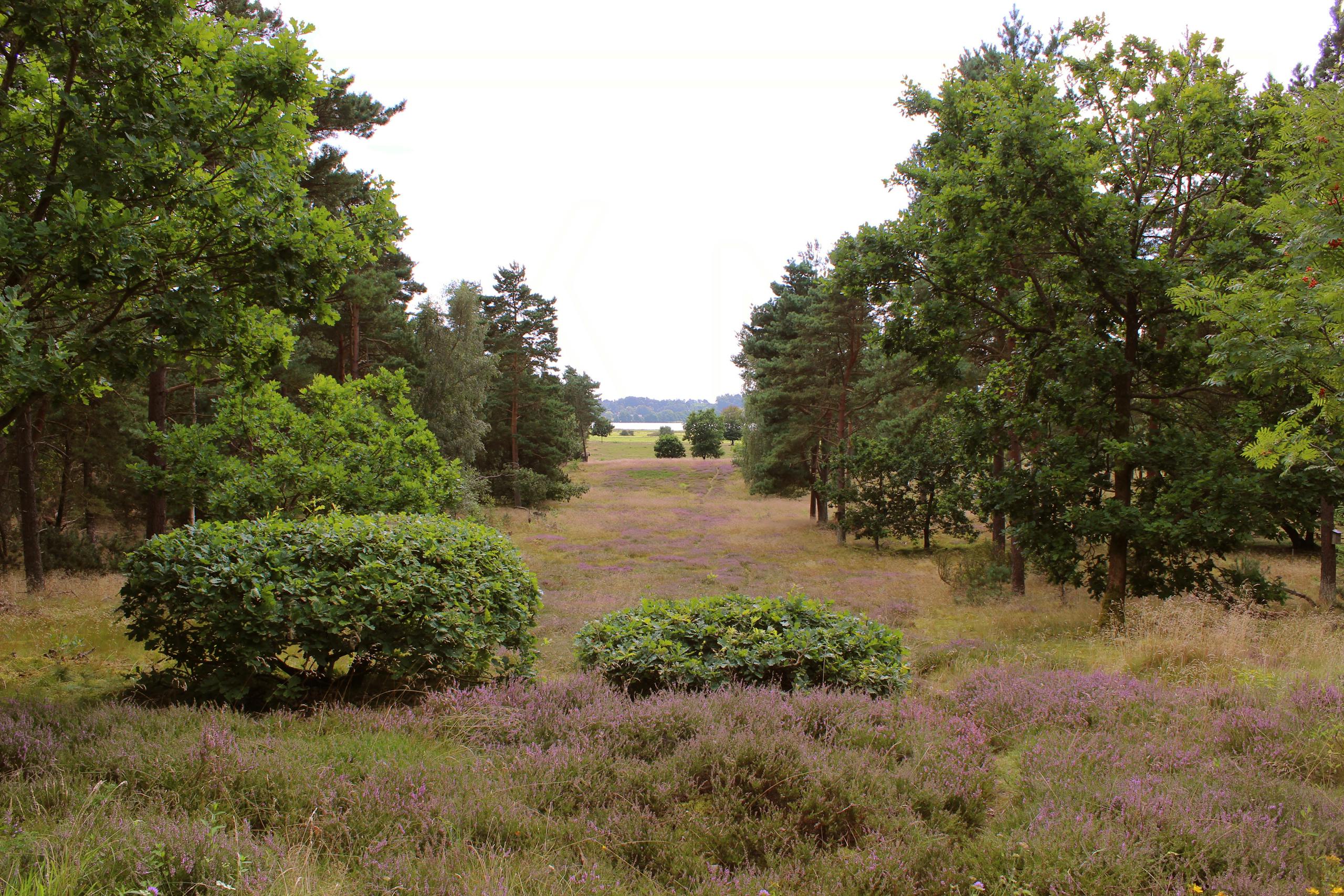
Explore beaches, forests, and lakes, climb mountains, and enjoy unique views of deep blue coves. Mols Bjerge National Park is a distinctive natural area and a treasure trove of rare birds, animals, and plants, as well as historical remnants from when the colossal forces of the Ice Age shaped Denmark. We guide you on your trip into the mountains.
Mols Bjerge National Park stretches over 180 square kilometers of landscape, from the high mountains of Mols to the flat surface of the coves. The national park has been chosen for both its unique Ice Age landscape, which has been home to humans for millennia, and for its rare nature in the hills and valleys of Mols Bjerge. The landscape is rich with traces of bygone eras – from Bronze Age burial mounds to dolmens, medieval towns, and castle ruins. Here you can observe rare birds, animals, and plants, breathe a little deeper, and get closer to nature and each other. So, lace up your hiking boots and take a trip to Denmark's second national park.
Get up close to the Ice Age in Mols Bjerge
The heart of the national park is Mols Bjerge, a unique piece of Danish nature made of high Ice Age mountains and deep kettle holes. The special landscape was created over millennia, where massive ice sheets pushed the landscape ahead of them, retreated, and formed the terminal moraines we know today as Mols Bjerge.
Hop on your bike or lace up your hiking boots and follow the national park's many beautiful nature trails through the hilly landscape, which is home to rare plants, wild horses, cattle, and butterflies. The particularly fit can follow the fantastically beautiful 60-kilometer route through the mountainous terrain (or jump on one of the three 20-kilometer daily stages). If you're looking for a slightly shorter trip, the national park's app guides you around the hills.
Get a breath of fresh air on top of the Bronze Age mounds
Around Mols Bjerge, Bronze Age burial mounds crown the tops of the hills, of which Trehøje and Agri Bavnehøj are the most visited. Trehøje rises 127 meters above sea level, while Agri Bavnehøj is the highest point of the mountains at 137 meters. Work up a sweat as you toil to the top of these mini-mountains, which reward you with the most beautiful views of Mols Bjerge's Ice Age landscape. From Trehøje, you can gaze from Ebeltoft to Aarhus and spot four coves: Kalø, Knebel, Begtrup, and Ebeltoft.
Stroll through winding medieval streets
Ebeltoft town is a special little time capsule – think winding medieval streets with half-timbered houses, cobblestones, and blooming hollyhocks. Stop at the beautiful town hall, said to be the smallest in the world, and visit Ebeltoft's attractions such as the Frigate Jylland, the Glass Museum, and Maltfabrikken. If you need a meal, you'll find the town's best open-faced sandwiches at Kjøbstaden or a delicious fish menu at Skudehavnen at Restaurant Stockfleth.
Feel the wings of history at Kalø Castle Ruin
History whispers to you from Kalø Castle Ruin's weathered walls, which were built by King Erik Menved in the 14th century to keep rebellious farmers in check. A scenic 1.5-kilometer walk along the medieval road leads you to Kalø and the castle ruin with its steel staircase, from which a unique view opens up over the cove. Perhaps the sun glitters in the ice floes in winter, or perhaps a bird of prey hovers low over the water's surface.
If you need a refreshment, you can get an ice cream at Kalø Slotscafé, and on the drive home, don't miss a visit to Kalø Økologiske Gårdbutik, which is bursting with local organic delicacies and fresh vegetables.
Walk through the troll forest to Jernhatten
Jernhatten is said to have gotten its name from its shape, which resembles a war helmet. From the viewpoint almost 50 meters above sea level, you can look out over the Kattegat and the island of Hjelm. Venture through the troll forest's tangle of gnarled beech trees, covered in green ivy and shaped by wind and weather. In early spring, the forest floor is in bloom with white and blue anemones, and in summer, the scent of honeysuckle flowers spreads. If you're lucky, you can spot spotted seals and porpoises from the coastal cliff.
See the view from Sletterhage Lighthouse
Sletterhage Lighthouse stands as the outermost outpost on Mols Bjerge's southernmost point. During the summer months, the lighthouse opens its doors to visitors, inviting them to a fine historical exhibition and a very special view from the top of the 16-meter-high lighthouse. See sky and sea meet and the busy ship traffic in the waters off Helgenæs. If you follow the Coastal Fortification Path further along the beach, you can get a good blast of fresh air, collect stones, smell the sea, and take in the view. Stop at Tyskertårnet, which are the last remains of the radar system the Germans used during World War II.
Go birdwatching at Stubbe Sø
If you're lucky, the white-tailed eagle will soar across the sky when you visit Stubbe Sø. The lake, which is Djursland's largest, was formed as a kettle hole and houses a bird sanctuary where, among others, white-tailed eagles and ospreys, hobbies, and kingfishers visit. Settle into the three-person bird hide, which allows you to look out over the lake and spot the birds up close. You can also settle down on the lake's banks at tables and benches for a cup of coffee or a packed lunch in nature.
Marina and local delicacies at Øer
The architect-designed Øer Maritime Ferieby was built in the 1980s and resembles a kind of Danish Venice with its seven islands connected by bridges and surrounded by beautiful canals and cozy harbor basins. Stop by the small holiday enclave, where you can frolic in the swimming pool, play a game of tennis, or watch the boats come in and out of the marina.
In the area, you can take the beautiful 5-kilometer walk along Øerstien with wooden bridges over canals, light purple heath, and deep blue views over the Kattegat. Don't miss a visit to Øer Gårdbutik, which offers local meat, fresh vegetables and herbs, and sourdough bread from Simons Brød.
Explore all our hand-picked holiday home gems in Mols Bjerge National Park.

Written by Sara Maarup Thomsen
August 2022
