Back to the Essence of the Summer House: Architect Line Nørskov Eriksen on the Cultural Heritage of the Summer House

Over the past few decades, summer homes have evolved from small, cozy wooden houses into uniform vacation homes. But we need to pay attention to the evolution of summer home architecture. Architect Line Nørskov Eriksen explains how we can better preserve the summer cottage’s long-standing cultural heritage and sheds light on the direction in which the summer cottage of the future is heading.
Would you rather hear Line Nørskov Eriksen tell the story? Listen to Episode 3 of Landfolk’s podcast “Sommerhusliv” here.
We meet architect and exhibition director Line Nørskov Eriksen in the architect-designed tiny house A45, which, in connection with the current exhibition SOMMERHUS at the Utzon Center in Aalborg, stands tall in the middle of the museum’s atrium courtyard. Completely clad in wood and with a view of the many museum visitors passing by, our conversation begins with the rediscovered love for the Danish summer house.
The scent of wood in the little summer house prompts us to discuss how wood, in particular, is something many people associate with a “real” summer house. But according to Line Nørskov, alarm bells should ring if anyone claims to know what a “real” summer house is.
“When you look at the history and architecture of the summer house, you can see that it has evolved over time. Summer cottages have taken many different forms, but fundamentally, the summer cottage tradition is rooted in the idea of the good life. It has deep roots in European cultural history and traces its origins all the way back to the Romans, who built villas outside the city because they believed the city was impure and nature was authentic.

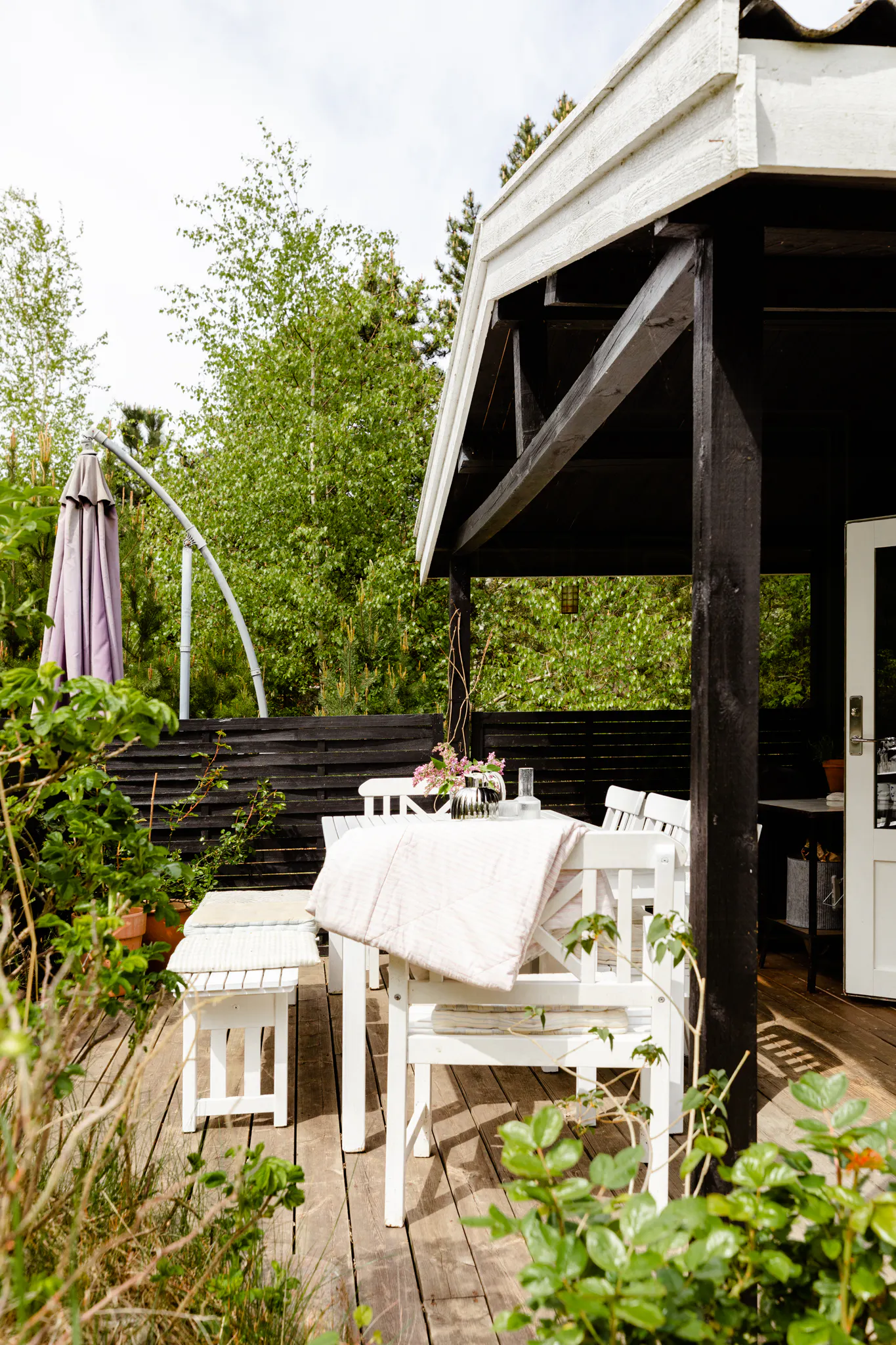
Life Outside the City
Historically, the first summer homes began to appear in the late 1800s and early 1900s. This was linked to the urbanization of society, which suddenly sparked a desire among people to move out of the city. The wealthiest social class had long built country estates—known as “houses” at the time—but economic growth meant that a broader segment of the population could now also afford to purchase a summer house.
– It’s embedded in the narrative of summer cottage life that we reconnect with our authentic selves when we’re out in nature. The summer cottage is this refuge from everyday life in the city.
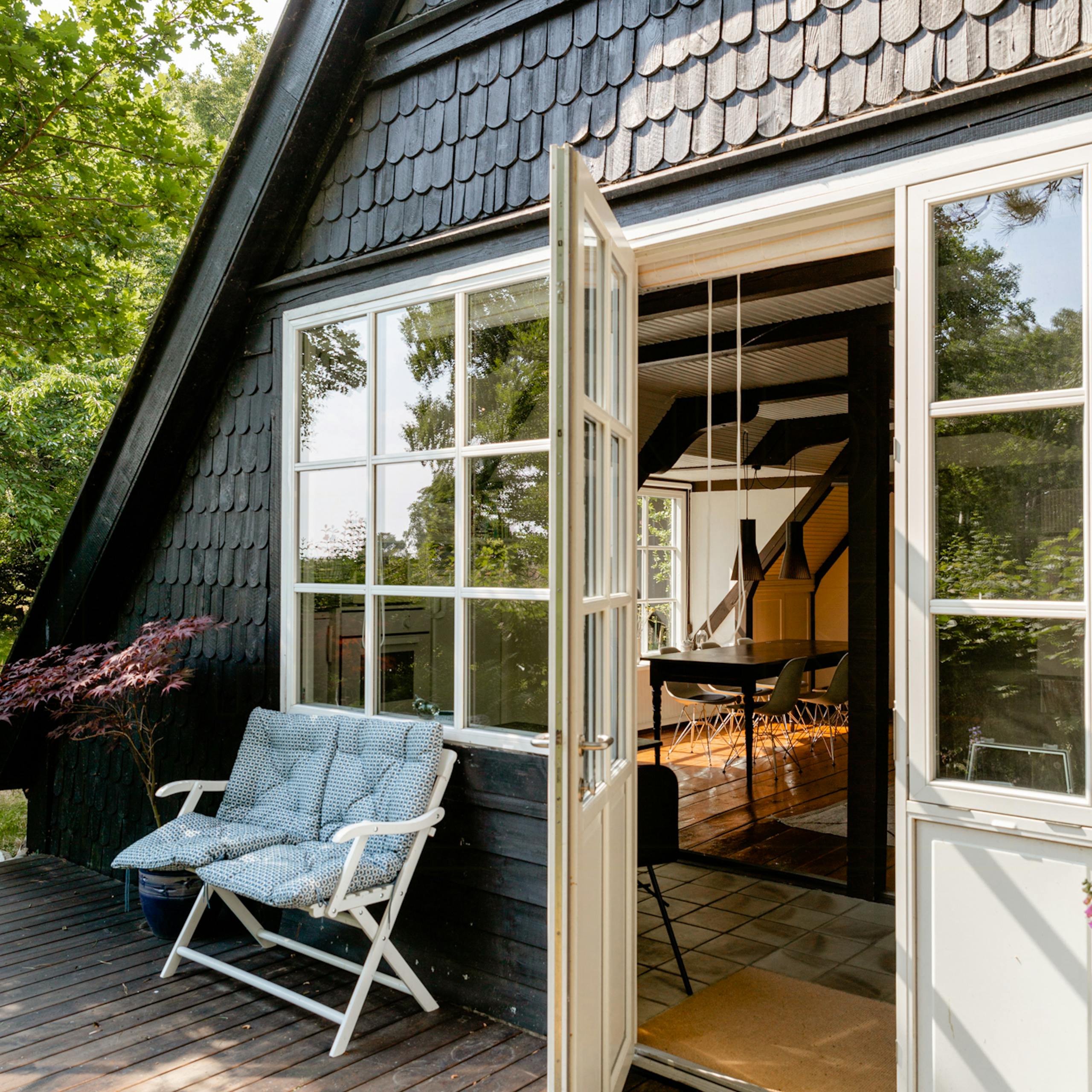
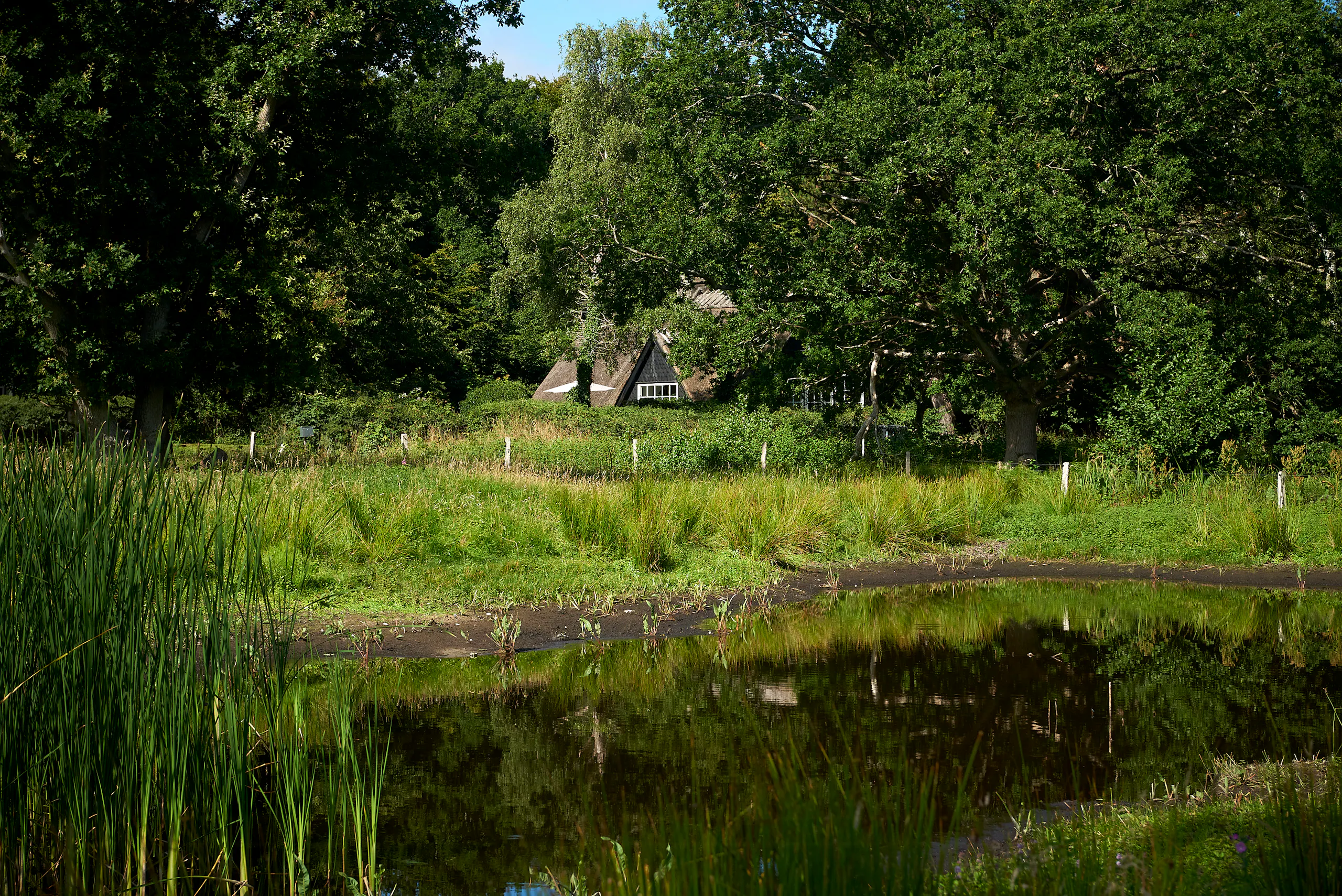
Architect-designed A-house from 1918 in nature
- Ulvshale, Denmark
- 8 guests · 3 bedrooms
- 272 m to beach
- House · 129 m²
How has our collective understanding of the summer cottage evolved in recent years?
– Especially since the ’80s and ’90s, summer homes have really expanded in size. Throughout the ’60s and ’70s, summer homes were built at around 50–60 square meters, and today it’s not unusual for them to be 200 square meters or larger. Often, these are decadent vacation palaces built under the guise of being summer homes, but in reality, they’re constructed for the sole purpose of being rented out.
> I think what you need to make sure of is that you think in terms of function before you think in terms of size
Line explains that people today are talking about a phenomenon called “dual residency.” Simply put, this means that most vacation homes being built today resemble people’s year-round residences so closely that the difference between their primary residence and the vacation home is hard to tell.
– The problem is that when things become too decadent and conformist, it starts to influence people’s behavior. It’s not that there’s anything wrong with flat-screen TVs and underfloor heating, but we have to realize that if we’re looking for something different, we’ll have to design our spaces differently—or in a way that suits the life we want to live.
We Need to Use Nature to Understand Architecture
According to Line, it requires a very special kind of architecture if we dream of the summer house serving as the setting for a more tranquil and authentic way of life. She explains that the summer house was traditionally built for use in the summer, and throughout the ’50s and ’60s, it quickly became apparent that architects were experimenting with a blurred distinction between indoors and outdoors.
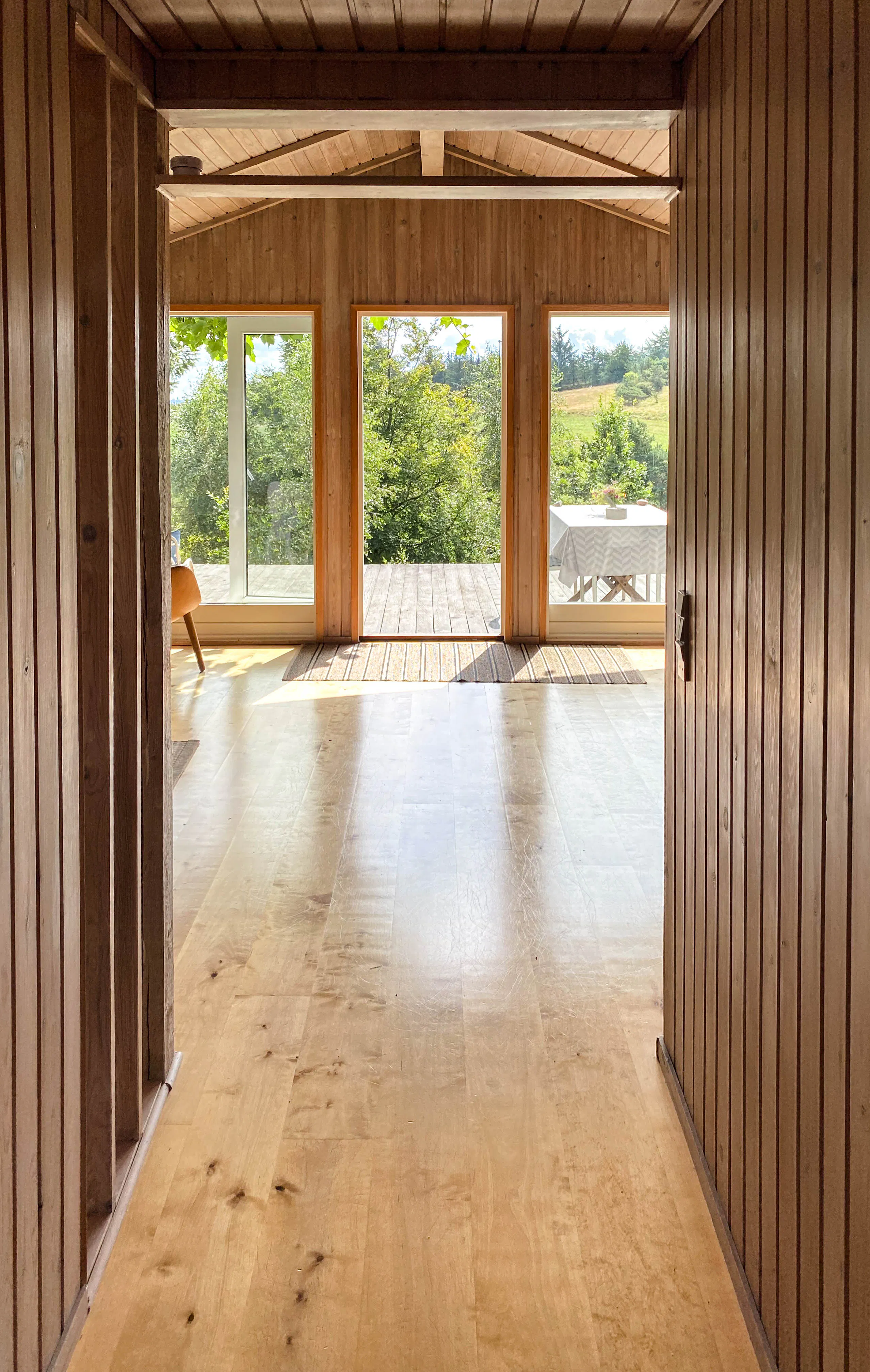
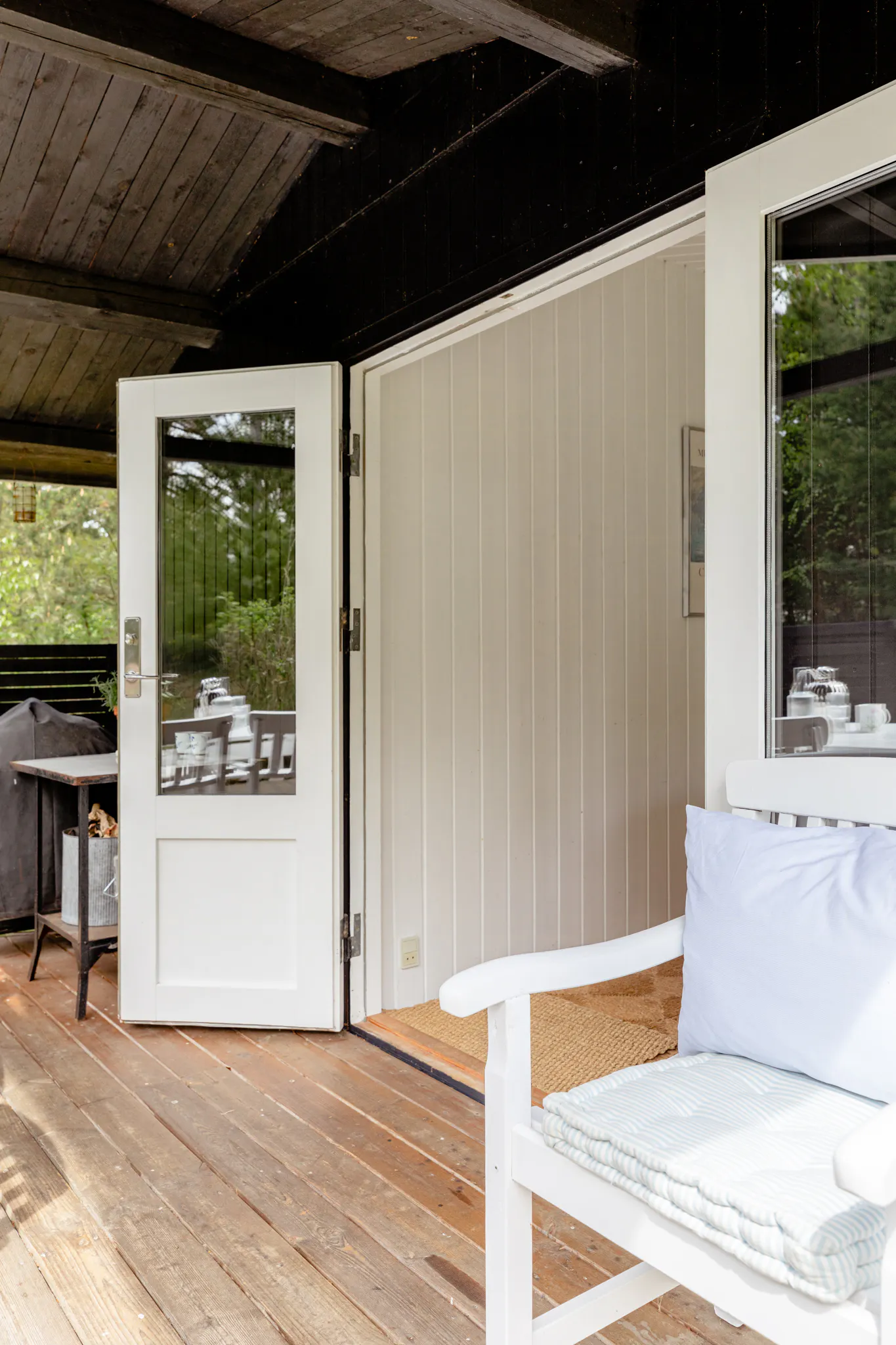

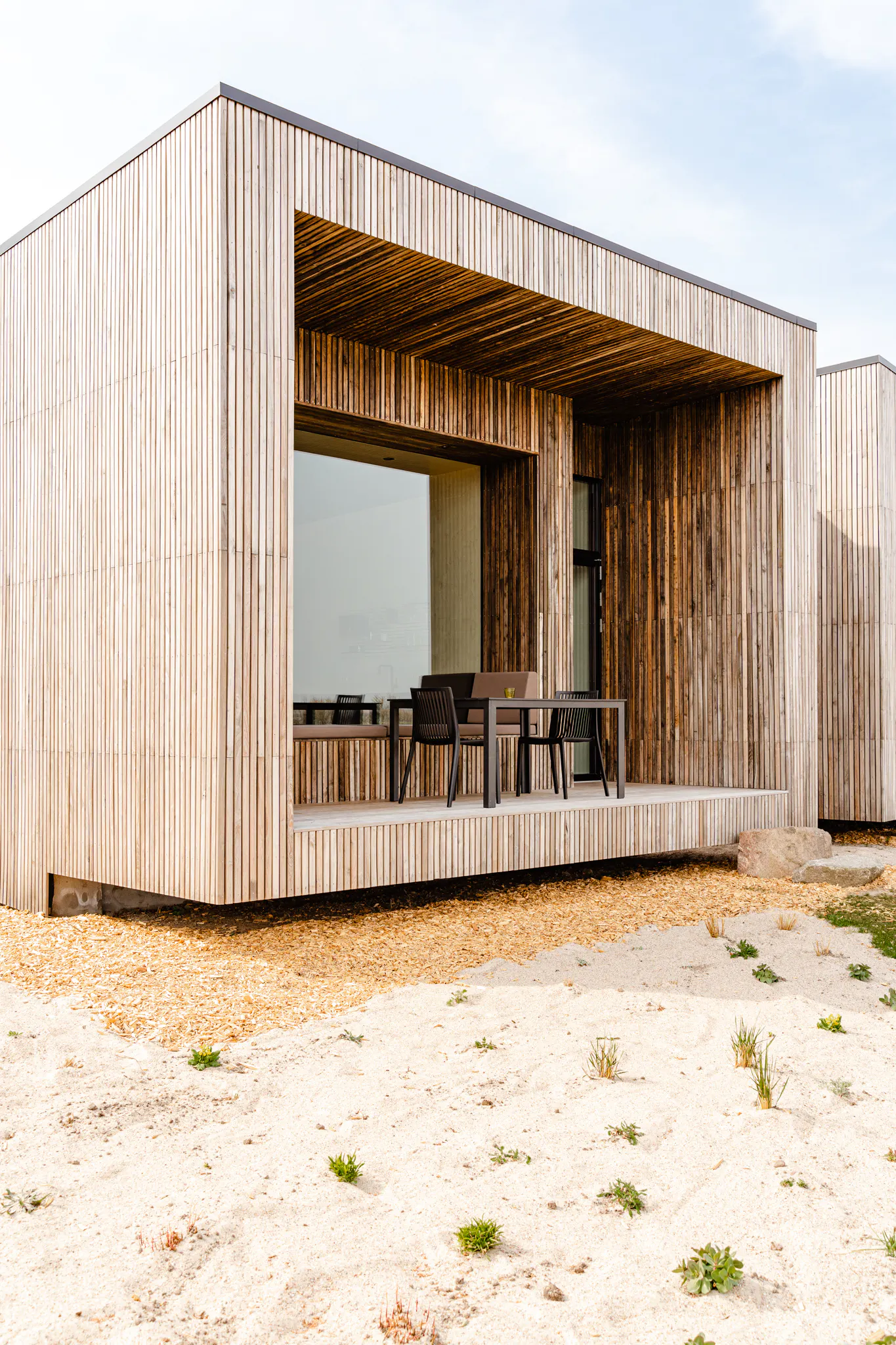
– Since the summer house isn’t meant to be used year-round, you can save a few square meters and instead incorporate them into a terrace. The terrace is a concrete example of an architectural motif that fosters a sense of closeness to nature.
– I think what you need to ensure is that you think in terms of function before you think in terms of size. Some summer homes are located by the water, others are deep in the forest, but what they all have in common is that every time you build one, the landscape looks different. If architecture is to foster a certain way of life, it requires a deep understanding of the place where it’s being built. Instead of inventing an architectural form that one thinks might be an interesting shape right here, the house grows effortlessly out of the landscape. And that’s a narrative that never goes out of style. It’s a quality that endures.
> So when summer homes become too large, too complex, and too resource-intensive, it’s a time bomb for summer home culture
Should there be a difference between spending the weekend in a suburban neighborhood and in a summer home?
– In terms of the conceptual foundation of the summer home, there has to be a difference. It’s actually rather strange that we live in these big white boxes on a daily basis, and then when we want to really enjoy ourselves, we head out to tiny wooden cabins—but contrasts highlight the distinctiveness of their opposites. In that sense, everyday life and summer cottage life probably need each other.
– On top of that, there’s also the question of whether we really should have two year-round homes, two cars, and incandescent light bulbs in our lamps. We have to face the fact that we can’t afford to use so many resources. When we build these large year-round homes out in the countryside, it’s the countryside that pays the price. And, after all, we only have so much of it. So when summer homes become too large, too complex, and too resource-intensive, it’s a time bomb for summer home culture.

So what will the architecture of the future look like if we are to preserve the cultural heritage of the summer house?
– There are two sustainable paths to take. One is to tailor the summer house to its specific location and envision it standing there for many years, just like the original houses from the 1800s. The summer house we’re sitting in here is a modular, prefabricated standard-design home that can be moved out into the countryside on a screw foundation and therefore leaves only a small ecological footprint on the terrain. Sustainability is no longer an option to choose or reject. It’s something we have to address, and we need to get used to building smaller and in harmony with nature.
We sit here looking around the little summer house with a view of the clear blue sky, and it clearly sparks some reflections in us and Line.
– We’ll probably have to talk about whether we can afford to take up so much space. It might be about leaving the trees standing. About impermanence. About frugality. About big dreams in a small space. And then, of course, climate-smart materials.
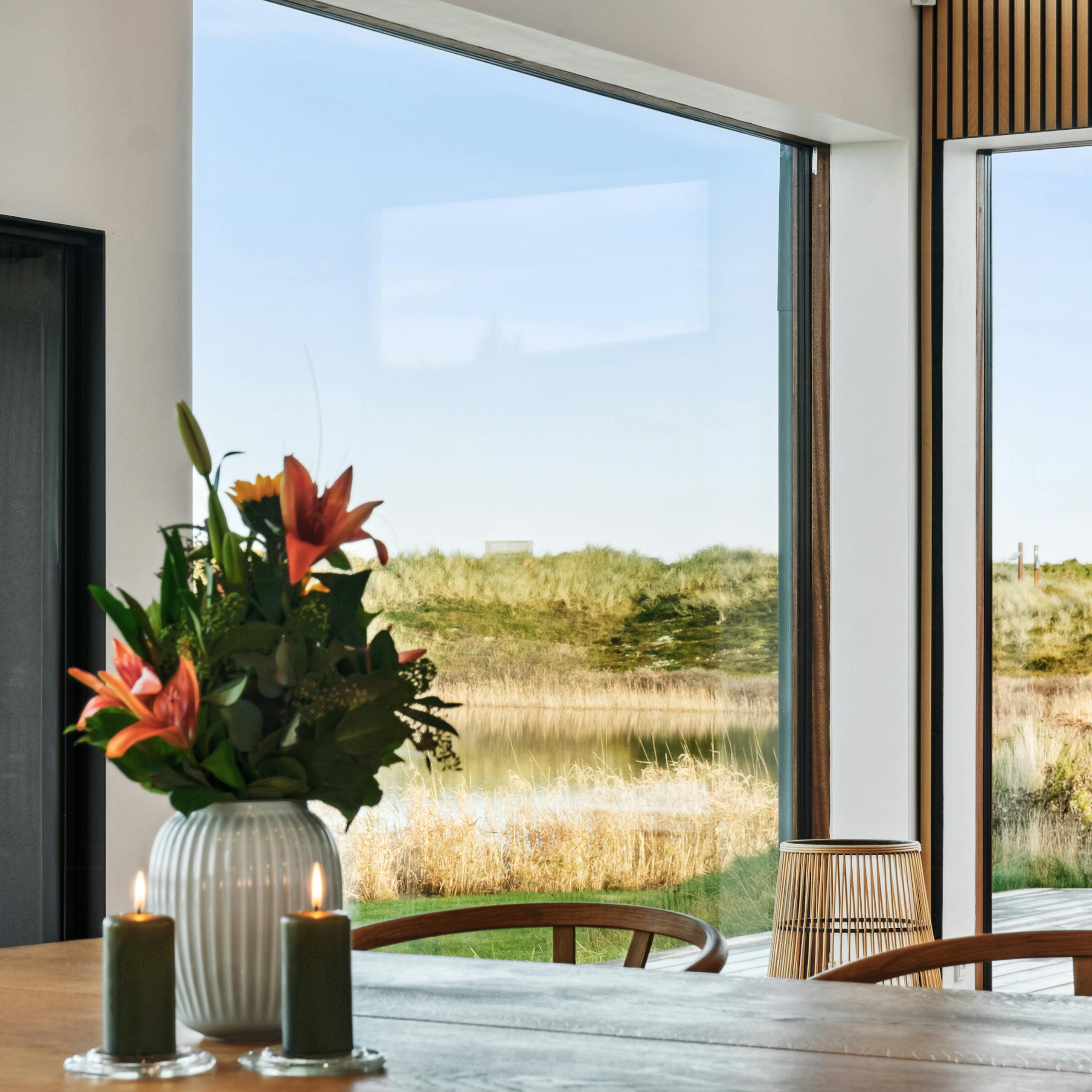
Redefined A-frame home with lake and nature view
- Agger, Denmark
- 8 guests · 4 bedrooms
- 1 km to beach
- House · 140 m²
– I don’t know if you can call it a definitive paradigm shift, but we’re seeing a trend and a greater focus on sustainability. The new generation of architects has grown up with green thinking in the same way that children and young people today grow up with digital platforms. It’s second nature to them. I find it incredibly uplifting to see that sustainability isn’t just a style or a superficial trend.
– Sustainability becomes part of the house’s very essence, and that actually fits incredibly well with the whole basic idea behind the summer house: that it’s about returning to nature and living a slightly more authentic life. In reality, one could imagine that these elements might come together to form a greater whole.


Written by Ditte Nylander
June 2022
