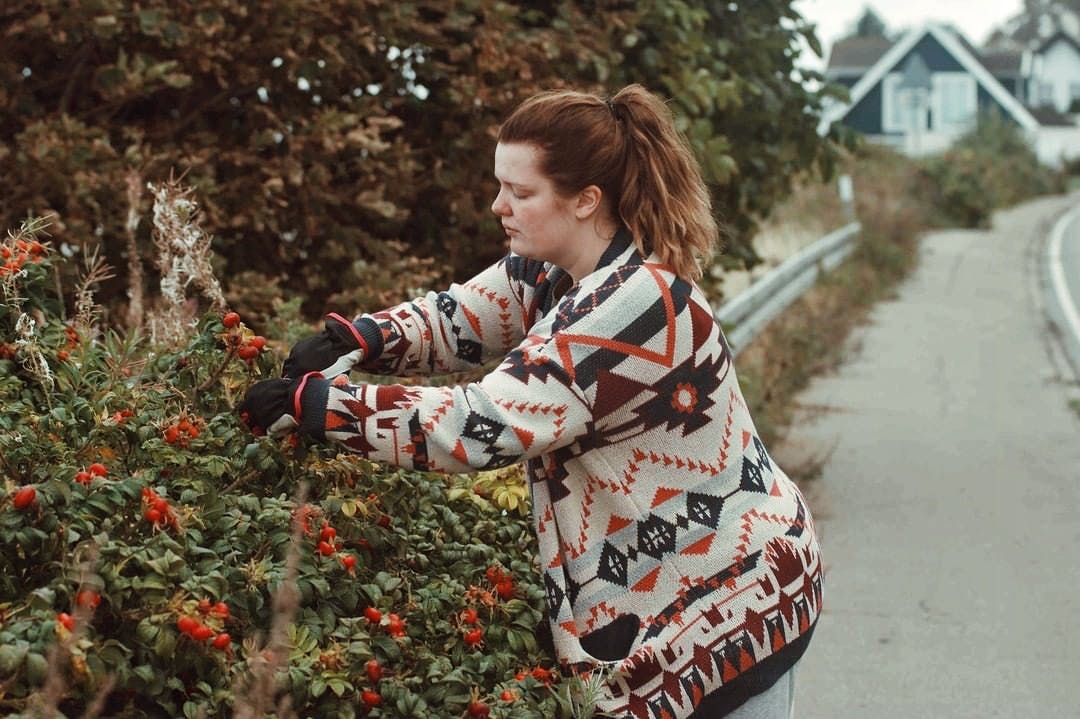
Go foraging and taste nature’s treasures
“We should have a relationship with nature and the crops that grow in the wild. Only then we will take care of it,” says Nina. She describes herself as a food nerd and bookworm, determined to spread knowledge about the herbs, berries, trees, flowers and fungi that grow all around us. And of course, she’s read every book available on what can be gathered and eaten from nature. She also founded sanketure.dk, which offers guided foraging trips and outdoor dining experiences. Nina is here to share her tips and tricks on how even beginners can turn a walk in the wild into a delicious meal.
These days we spend all our time foraging, studying herbs and cooking. We’re pretty extreme and have 400 jars of sauced vegetables in our little Copenhagen flat.
Where does your passion for foraging come from?
“I love food, and I love nature. I’ve been foraging since I was a kid, where I often went on trips with my father, who’s both an angler and ornithologist. That’s where I first learned about plants and mushrooms. And then I met Thomas four years ago — and everything really took off. Now, all of our time goes into foraging, studying herbs and cooking. We’re a bit extreme and have 400 jars of preserves in our small Copenhagen flat. During lockdown, I even put up extra shelves. We won’t run out of food any time soon.”
What do participants take away from your tours?
“Most people know you can eat nettles, but they’re unsure about what else is edible — and how to prepare it so it tastes delicious. That’s often the big eye-opener. People get inspired to cook differently, to break out of their everyday routines. They realise just how much you can make with green herbs you’d normally overlook. We also share lots of cooking tips. For example: what do you do if your foraged herbs go limp? I blend them with butter and freeze them. Later, they’re perfect for topping baked potatoes or steak. In general, the distance from forest floor to fork becomes much shorter.”
What does foraging mean?
Foraging is the practice of gathering wild food. It includes searching for, collecting, cutting or picking edible plants, fungi, flowers, berries and fruits from nature. You can forage all over the country, all year round — there’s always something edible to be found.
What can you find in the forest?
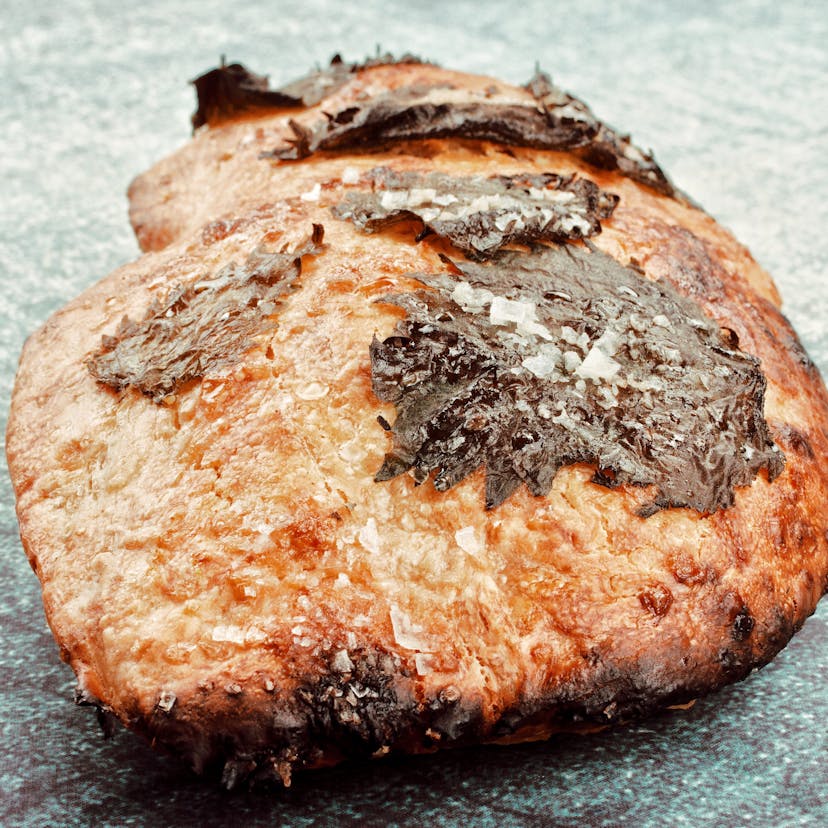
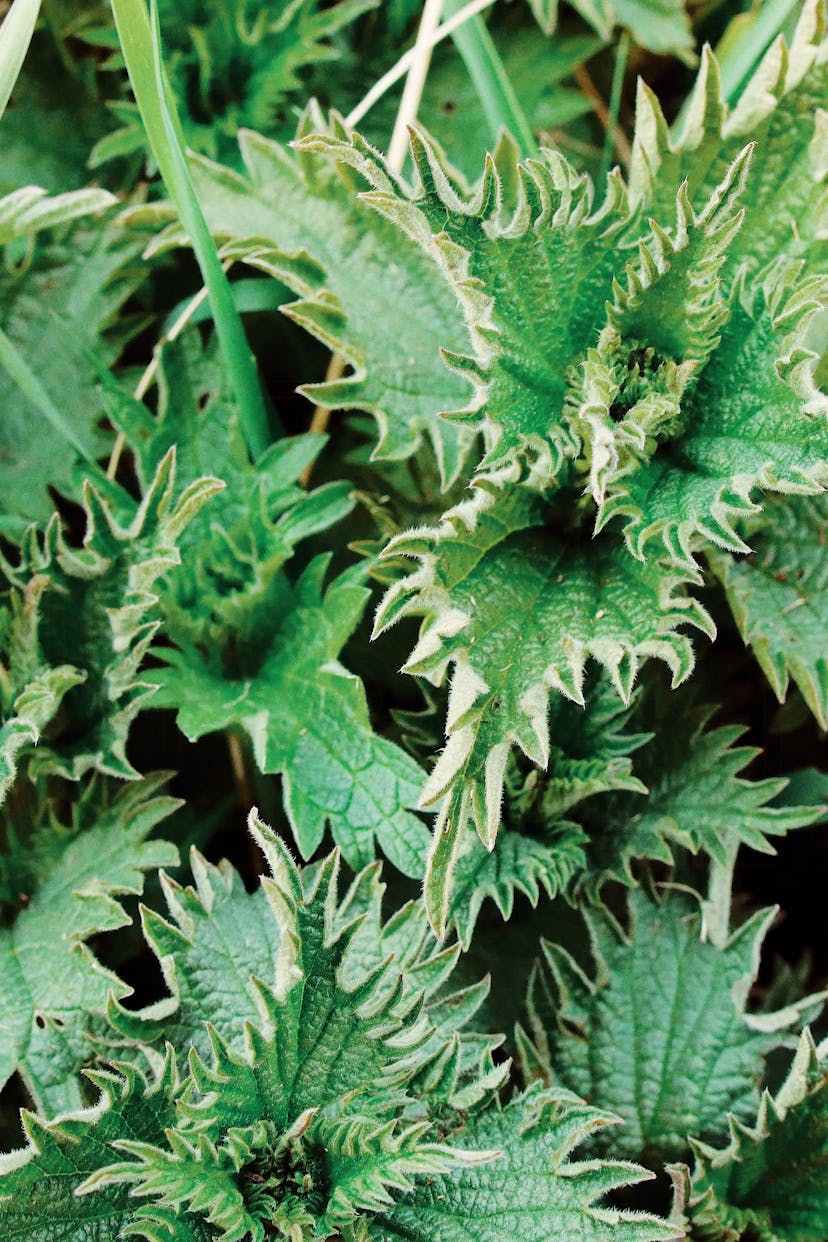
“In the woods, you’ll discover larger plants with plenty of volume. All year round, but especially in autumn, mushrooms are abundant. Nettles are fantastic too, packed with vitamins A, B and C, as well as minerals such as calcium, magnesium and iron. Nettle soup is a true classic, though it’s often made too watery. The texture should be thick like leek or potato soup. Add stock, a splash of vinegar and top with a poached egg — the runny yolk brings a rich umami depth. Nettles are so versatile: use them for pancakes, savoury waffles, smoothies, or simply toss them in a hot pan with oil like spinach. You can grill them, dry them for bread, or eat them as a quick side vegetable. Just heat them for 30 seconds to remove the sting. Every time I eat nettles, I think: this is what healthy tastes like.”
What are the rules for foraging in Denmark?
In Denmark, you’re allowed to forage for your own use on public land. That means you can legally collect mushrooms, pick berries or gather nuts in the forest. As far back as 1241, it was decided that “you may gather what fits in your hat” – a principle that still applies today. Nowadays, the rule is simply that you may collect what fits in a small bag. The idea is to be mindful of the nature surrounding you – and the next person who comes along.
What can you find at the beach?
Head to the beaches that we otherwise avoid because they smell of seaweed – those are the best for foraging. There you’ll find a wealth of edible plants. Sea sandwort, which tastes like cucumber peel. Always consider what you’re taking and avoid overharvesting. Sea beet, sometimes called the spinach of the shore, is another gem with a wonderfully salty, green flavour. And then there’s samphire — a hardy plant that grows on salt meadows regularly flooded by the sea. Bite into it and get an instant burst of ocean and salt. A true seaside delicacy.”
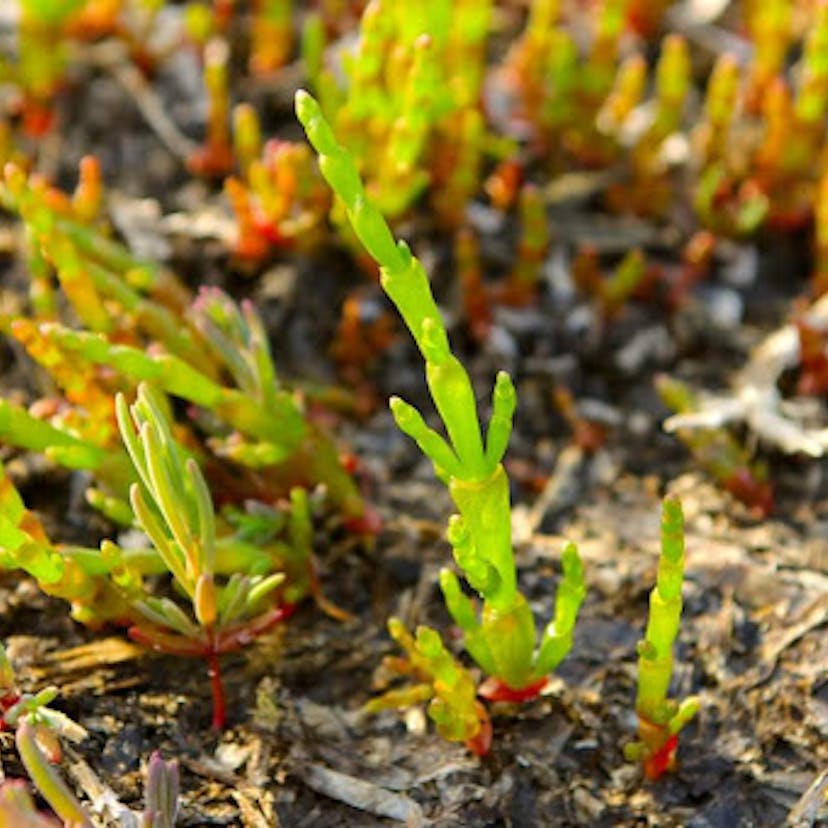
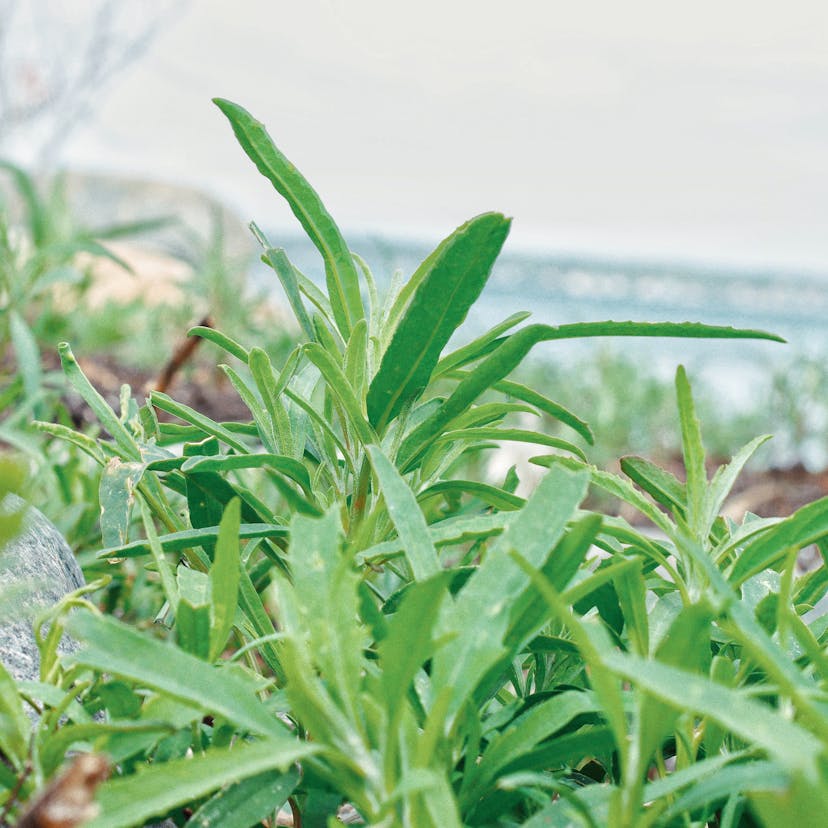
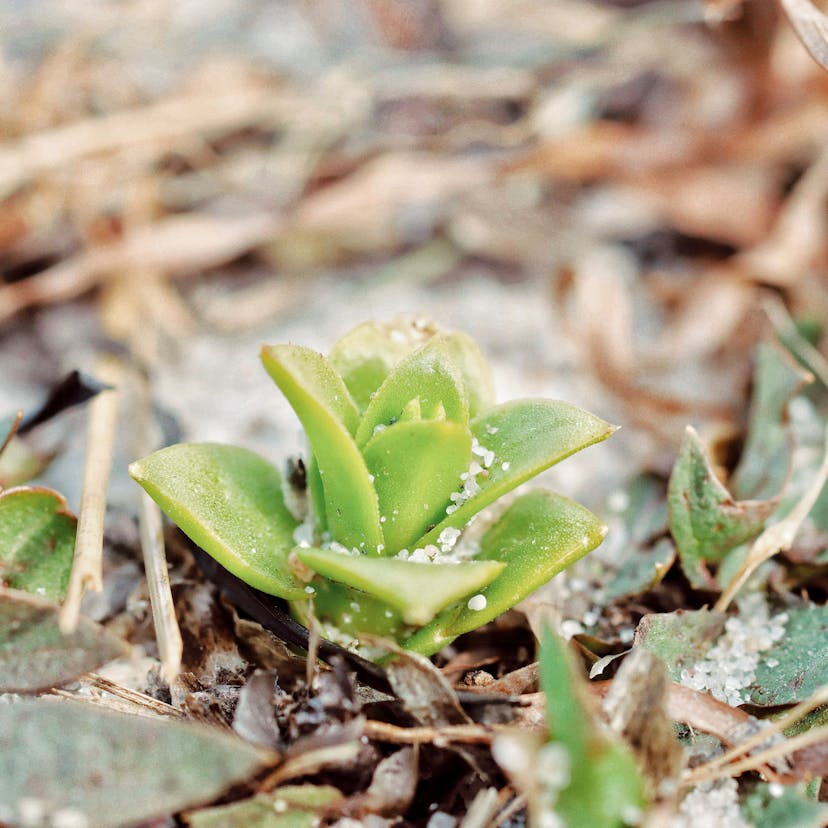 Sea sandwort (spring)
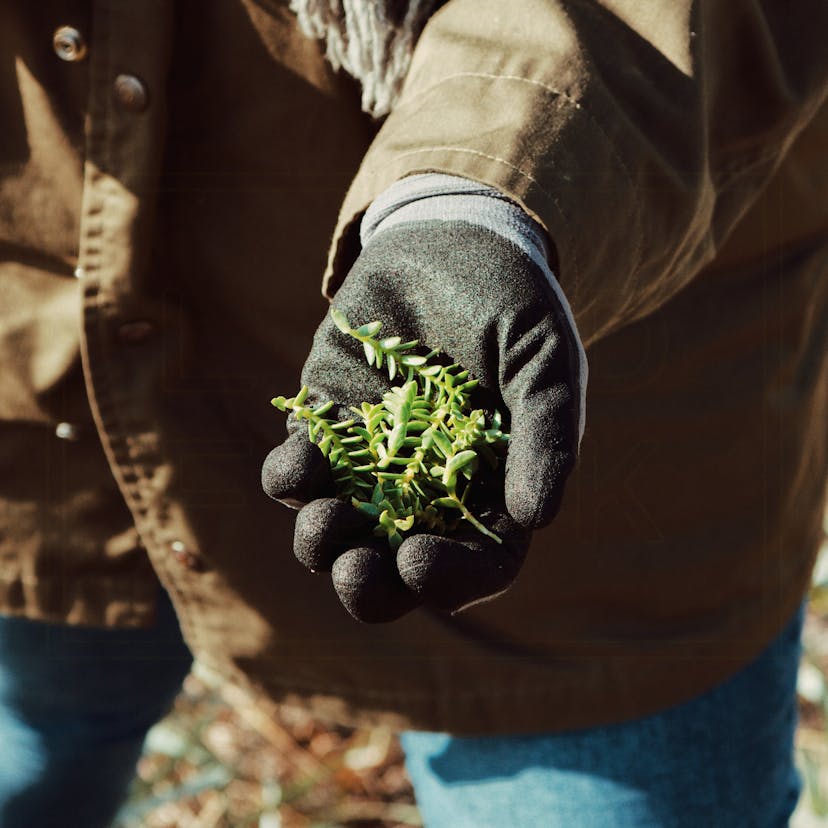 Sea sandwort (fall)
Something we’ve also noticed is that many people decorate their holiday homes with treasures gathered from nature — a piece of amber, a seashell, or a lucky hagstone. You’ll often find a map of the area or a nautical chart too. These details are rooted in the local surroundings and make the atmosphere quite different from home. In that way, spending time in a holiday home becomes a kind of exotic journey — you go out, explore, and bring the memories back with you.
Another favourite of mine is the beach rose, which grows in many summer house areas. You can turn it into the most wonderful syrup.
What about in your own garden?
“It depends on your garden, of course, but in summer you’ll often find pineapple weed, a resilient little flower that pops up even between paving stones. It smells and tastes like pineapple, and it’s brilliant for making desserts and tea. Steep it in cream and use it for panna cotta, or try it in pancakes, lemonade or ceviche. Another favourite of mine is the beach rose, which grows in many summer house areas. You can turn it into the most wonderful syrup.”
All you need to do now is prepare the treasures you’ve gathered – from the forest, the shore, or the meadows. And what could be better than cooking them in a summer house kitchen that invites creativity? Our experts have hand-picked a Collection of holiday homes for food and kitchen lovers. Here you’ll find well-equipped kitchens designed for long, joyful meals with family and friends.

